Enterprise OneDrive for Business: Architecture, Governance, and Sync Excellence
Prerequisites
| Requirement | Details |
|---|---|
| Basic setup and tooling | Basic setup and tooling |
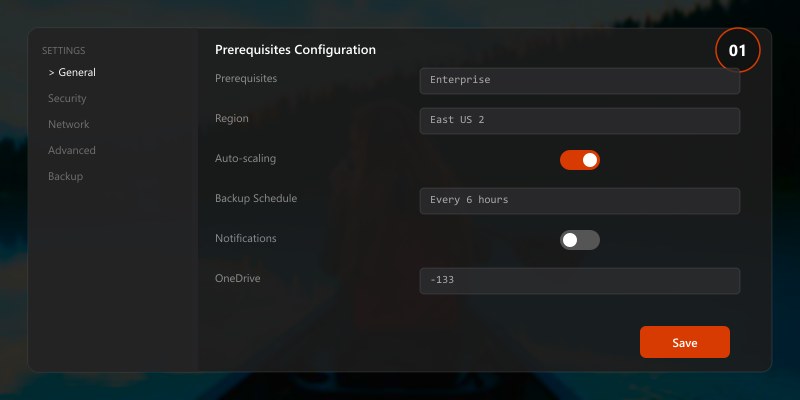
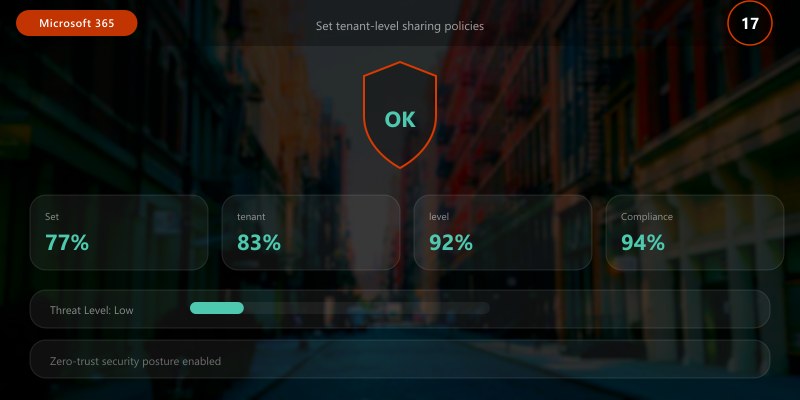
Figure: Tenant configuration for enterprise onedrive for business—policy settings, security baselines, compliance controls, and user provisioning.
Figure: Migration workflow for enterprise onedrive for business—assessment, pilot phase, bulk migration, and post-migration validation.
Figure: Governance framework for enterprise onedrive for business—lifecycle policies, access reviews, usage monitoring, and cost optimization.
param(
[Parameter(Mandatory)]
[string]$PolicyName,
[string]$TenantId,

[ValidateSet('Standard', 'PowerUser', 'Executive')]
[string]$UserTier = 'Standard',

[switch]$EnableKFM,

[switch]$BlockPersonalSync
)
Connect-MgGraph -Scopes "DeviceManagementConfiguration.ReadWrite.All"
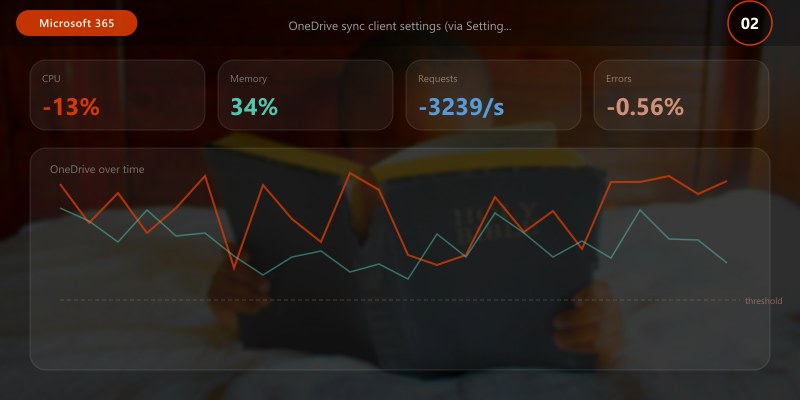
OneDrive sync client settings (via Settings Catalog)
$settingsConfig = @{
displayName = $PolicyName
description = "OneDrive sync client configuration for $UserTier users"
platforms = "windows10"
technologies = "mdm"
settings = @(
# Silently sign in users to OneDrive with Windows credentials
@{
"@odata.type" = "#microsoft.graph.deviceManagementConfigurationSetting"
settingInstance = @{
"@odata.type" = "#microsoft.graph.deviceManagementConfigurationChoiceSettingInstance"
settingDefinitionId = "device_vendor_msft_policy_config_onedrivengscv2policyonedrivengsc_silentaccountconfig"
choiceSettingValue = @{
value = "device_vendor_msft_policy_config_onedrivengscv2policyonedrivengsc_silentaccountconfig_1"
                children = @(
                    @{
                        "@odata.type" = "#microsoft.graph.deviceManagementConfigurationSimpleSettingInstance"
                        settingDefinitionId = "device_vendor_msft_policy_config_onedrivengscv2~policy~onedrivengsc_silentaccountconfig_silentaccountconfig_textbox"
                        simpleSettingValue = @{
                            "@odata.type" = "#microsoft.graph.deviceManagementConfigurationStringSettingValue"
                            value = $TenantId
                        }
                    }
                )
            }
        }
    },
    # Enable Files On-Demand
    @{
        "@odata.type" = "#microsoft.graph.deviceManagementConfigurationSetting"
        settingInstance = @{
            "@odata.type" = "#microsoft.graph.deviceManagementConfigurationChoiceSettingInstance"
            settingDefinitionId = "device_vendor_msft_policy_config_onedrivengscv2~policy~onedrivengsc_filesondemandpreferenceonmac"
            choiceSettingValue = @{
                value = "device_vendor_msft_policy_config_onedrivengscv2~policy~onedrivengsc_filesondemandpreferenceonmac_1"
            }
        }
    },
    # Block personal OneDrive sync
    @{
        "@odata.type" = "#microsoft.graph.deviceManagementConfigurationSetting"
        settingInstance = @{
            "@odata.type" = "#microsoft.graph.deviceManagementConfigurationChoiceSettingInstance"
            settingDefinitionId = "device_vendor_msft_policy_config_onedrivengscv2~policy~onedrivengsc_blockexternalaccountssync"
            choiceSettingValue = @{
                value = if ($BlockPersonalSync) { "device_vendor_msft_policy_config_onedrivengscv2~policy~onedrivengsc_blockexternalaccountssync_1" } else { "device_vendor_msft_policy_config_onedrivengscv2~policy~onedrivengsc_blockexternalaccountssync_0" }
            }
        }
    }
)
}
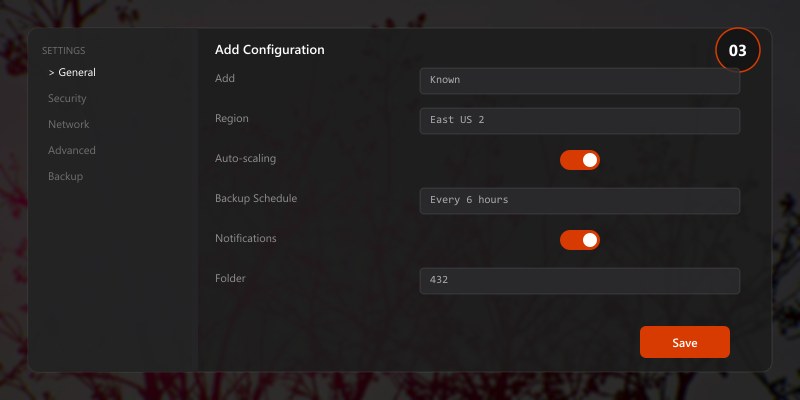
Add Known Folder Move (KFM) settings if enabled
if ($EnableKFM) {
$kfmSettings = @(
@{
"@odata.type" = "#microsoft.graph.deviceManagementConfigurationSetting"
settingInstance = @{
"@odata.type" = "#microsoft.graph.deviceManagementConfigurationChoiceSettingInstance"
settingDefinitionId = "device_vendor_msft_policy_config_onedrivengscv2policyonedrivengsc_kfmoptinnowizard"
choiceSettingValue = @{
value = "device_vendor_msft_policy_config_onedrivengscv2policyonedrivengsc_kfmoptinnowizard_1"
children = @(
@{
"@odata.type" = "#microsoft.graph.deviceManagementConfigurationSimpleSettingInstance"
settingDefinitionId = "device_vendor_msft_policy_config_onedrivengscv2policyonedrivengsc_kfmoptinnowizard_kfmoptinnowizard_textbox"
simpleSettingValue = @{
                            "@odata.type" = "#microsoft.graph.deviceManagementConfigurationStringSettingValue"
                            value = $TenantId
                        }
                    }
                )
            }
        }
    },
    # Block KFM notification (silent redirect)
    @{
        "@odata.type" = "#microsoft.graph.deviceManagementConfigurationSetting"
        settingInstance = @{
            "@odata.type" = "#microsoft.graph.deviceManagementConfigurationChoiceSettingInstance"
            settingDefinitionId = "device_vendor_msft_policy_config_onedrivengscv2~policy~onedrivengsc_kfmblockoptout"
            choiceSettingValue = @{
                value = "device_vendor_msft_policy_config_onedrivengscv2~policy~onedrivengsc_kfmblockoptout_1"
                children = @(
                    @{
                        "@odata.type" = "#microsoft.graph.deviceManagementConfigurationSimpleSettingInstance"
                        settingDefinitionId = "device_vendor_msft_policy_config_onedrivengscv2~policy~onedrivengsc_kfmblockoptout_kfmblockoptout_textbox"
                        simpleSettingValue = @{
                            "@odata.type" = "#microsoft.graph.deviceManagementConfigurationStringSettingValue"
                            value = $TenantId
                        }
                    }
                )
            }
        }
    }
)
$settingsConfig.settings += $kfmSettings
}
Create policy
$policy = Invoke-MgGraphRequest -Method POST -Uri "/beta/deviceManagement/configurationPolicies" -Body ($settingsConfig | ConvertTo-Json -Depth 10)
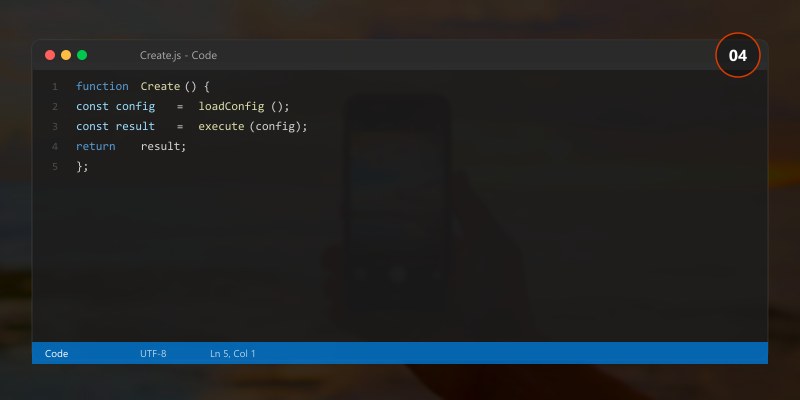
Write-Output "OneDrive sync policy created: $($policy.id)"
return $policy```
}
Usage example
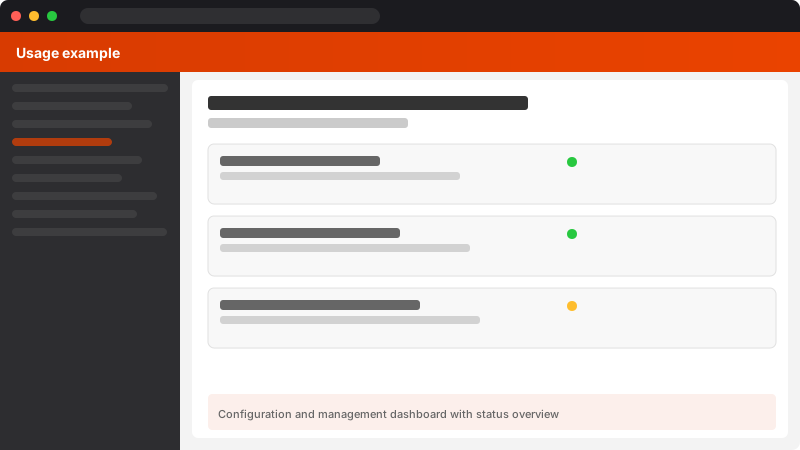
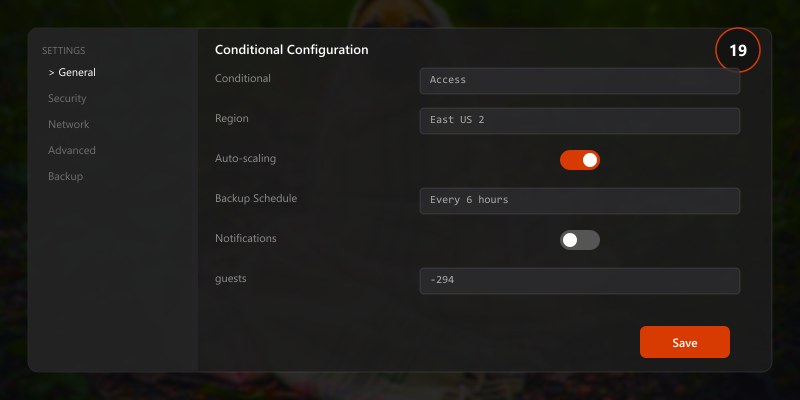
Figure: Configuration and management dashboard with status overview.
$syncPolicy = New-OneDriveSyncPolicy -PolicyName "OneDrive Sync - Standard Users" `
-TenantId "contoso.onmicrosoft.com" `
-UserTier Standard `
-EnableKFM `
-BlockPersonalSync
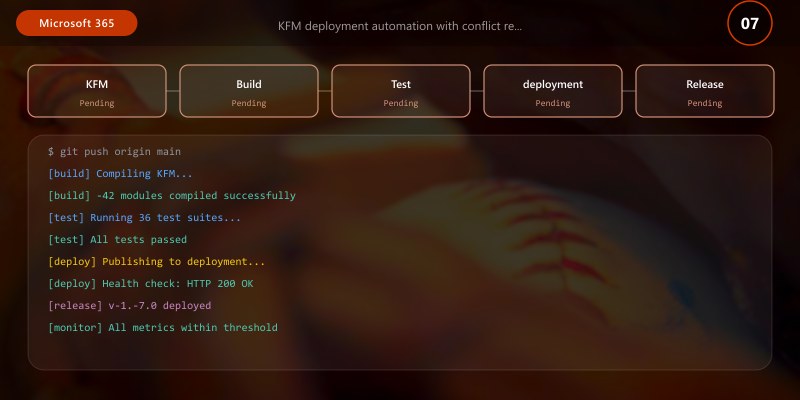
## Known Folder Move (KFM) Phased Rollout Strategy
```powershell
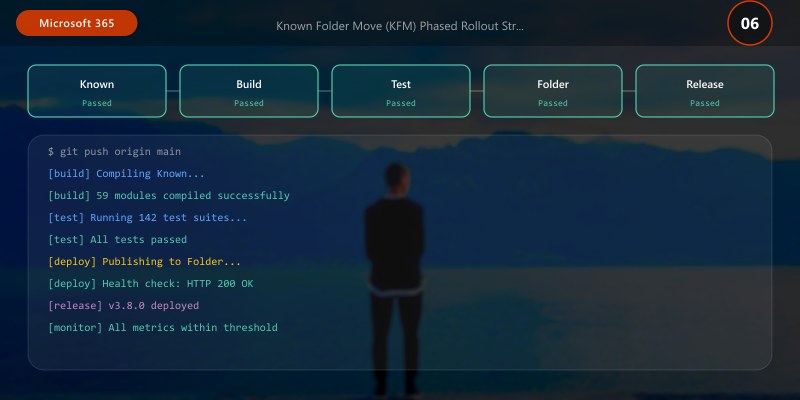
## KFM deployment automation with conflict resolution
function Invoke-KFMRollout {
```powershell
[CmdletBinding()]
param(
[Parameter(Mandatory)]
[string[]]$UserGroups, # Azure AD group IDs
[int]$PhaseDelayDays = 7,
[ValidateSet('Desktop', 'Documents', 'Pictures', 'All')]
[string]$FoldersToMove = 'All',
[switch]$PreScanForIssues
)
Connect-MgGraph -Scopes "User.Read.All", "Group.Read.All", "DeviceManagementConfiguration.ReadWrite.All"
$phaseNumber = 1
foreach ($groupId in $UserGroups) {
Write-Output "Phase $phaseNumber: Processing group $groupId"
# Get group members
$members = Get-MgGroupMember -GroupId $groupId -All
if ($PreScanForIssues) {
# Pre-scan for KFM blockers (via Graph API or custom script)
foreach ($member in $members) {
$userPrincipalName = (Get-MgUser -UserId $member.Id).UserPrincipalName
# Check OneDrive storage available
$drive = Invoke-MgGraphRequest -Method GET -Uri "/v1.0/users/$($member.Id)/drive"
$quotaRemaining = $drive.quota.remaining / 1GB
if ($quotaRemaining -lt 10) {
Write-Warning "User $userPrincipalName has <10GB available. Consider quota increase before KFM."
}
# Check for large files (>15GB) that may cause sync issues
# ( - full implementation would scan known folders via custom agent)
}
}
# Assign KFM policy to group
$assignmentBody = @{
assignments = @(
@{
target = @{
"@odata.type" = "#microsoft.graph.groupAssignmentTarget"
groupId = $groupId
}
}
)
} | ConvertTo-Json -Depth 10
Invoke-MgGraphRequest -Method POST -Uri "/beta/deviceManagement/configurationPolicies/{policy-id}/assign" -Body $assignmentBody
Write-Output "KFM policy assigned to group $groupId (Phase $phaseNumber)"
# Wait before next phase
if ($phaseNumber -lt $UserGroups.Count) {
Write-Output "Waiting $PhaseDelayDays days before next phase..."
Start-Sleep -Seconds ($PhaseDelayDays * 86400)
}
$phaseNumber++
}
Write-Output "KFM rollout complete across $($UserGroups.Count) phases"```
}
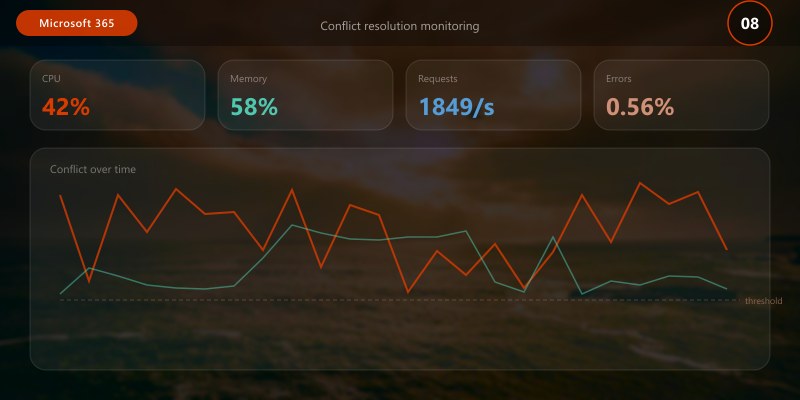
## Conflict resolution monitoring
function Get-KFMConflicts {
```powershell
Connect-MgGraph -Scopes "User.Read.All", "Files.Read.All"
$users = Get-MgUser -All -Filter "assignedLicenses/any(x:x/skuId eq '{OneDrive-SKU}')"
$conflictReport = @()
foreach ($user in $users) {
# Check for known folder sync errors (via Graph API drive sync status)
$driveItems = Invoke-MgGraphRequest -Method GET -Uri "/v1.0/users/$($user.Id)/drive/root/children?`$filter=name eq 'Desktop' or name eq 'Documents'"
foreach ($item in $driveItems.value) {
if ($item.file.hashes.quickXorHash -eq $null) {
# Potential sync conflict (item not fully synced)
$conflictReport += [PSCustomObject]@{
User = $user.UserPrincipalName
FolderName = $item.name
Issue = "Sync incomplete or conflict detected"
LastModified = $item.lastModifiedDateTime
}
}
}
}
$conflictReport | Export-Csv "C:\Reports\KFM_Conflicts_$(Get-Date -Format 'yyyyMMdd').csv" -NoTypeInformation
return $conflictReport```
}
Expected output:
Welcome to Microsoft Graph!

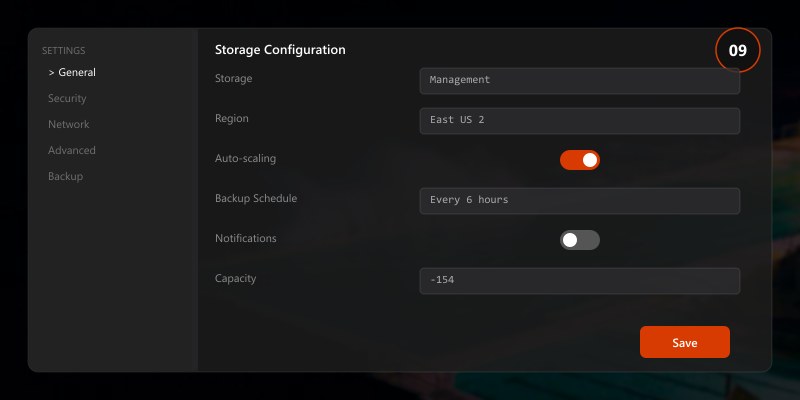
4. Storage Management & Capacity Planning
Quota Management Framework
## Automated quota management based on license tier
function Set-OneDriveQuotaTiers {
```powershell
[CmdletBinding()]
param(
[hashtable]$TierConfig = @{
'Standard' = @{ QuotaGB = 1024; Licenses = @('SPE_E3', 'SPE_E5') }
'PowerUser' = @{ QuotaGB = 2048; Licenses = @('POWER_BI_PRO', 'PROJECTPREMIUM') }
'Executive' = @{ QuotaGB = 5120; AADGroupName = 'Executives' }
'Archive' = @{ QuotaGB = 25600; AADGroupName = 'Legal-LongTermRetention' }
}
)
Connect-SPOService -Url "https://contoso-admin.sharepoint.com"
Connect-MgGraph -Scopes "User.Read.All", "Directory.Read.All"
$allUsers = Get-MgUser -All -Filter "assignedLicenses/`$count ne 0" -ConsistencyLevel eventual -CountVariable userCount
foreach ($user in $allUsers) {
$assignedTier = 'Standard' # Default
$quotaMB = 1048576 # 1TB default
# Check license-based tiers
foreach ($tierName in $TierConfig.Keys) {
$tier = $TierConfig[$tierName]
if ($tier.Licenses) {
$userLicenses = $user.AssignedLicenses.SkuId
$hasLicense = $tier.Licenses | Where-Object { $userLicenses -contains $_ }
if ($hasLicense -and $tier.QuotaGB -gt ($quotaMB / 1024)) {
$assignedTier = $tierName
$quotaMB = $tier.QuotaGB * 1024
}
}
# Check group-based tiers (highest priority)
if ($tier.AADGroupName) {
$group = Get-MgGroup -Filter "displayName eq '$($tier.AADGroupName)'"
if ($group) {
$isMember = Get-MgGroupMember -GroupId $group.Id -All | Where-Object { $_.Id -eq $user.Id }
if ($isMember) {
$assignedTier = $tierName
$quotaMB = $tier.QuotaGB * 1024
break # Highest tier wins
}
}
}
}
# Apply quota to OneDrive site
$oneDriveUrl = "https://contoso-my.sharepoint.com/personal/$($user.UserPrincipalName -replace '@', '_' -replace '\.', '_')"
try {
$site = Get-SPOSite -Identity $oneDriveUrl -ErrorAction Stop
if ($site.StorageQuota -ne $quotaMB) {
Set-SPOSite -Identity $oneDriveUrl -StorageQuota $quotaMB
Write-Output "Updated quota for $($user.UserPrincipalName): $assignedTier ($($quotaMB / 1024) GB)"
}
} catch {
Write-Warning "OneDrive site not provisioned for $($user.UserPrincipalName)"
}
}```
}
## Capacity planning & growth forecasting
function Get-OneDriveCapacityForecast {
```powershell
param(
[int]$ForecastDays = 180,
[int]$HistoricalDays = 90
)

Connect-SPOService -Url "https://contoso-admin.sharepoint.com"
## Get all OneDrive sites
$oneDriveSites = Get-SPOSite -IncludePersonalSite $true -Limit All -Filter {Template -eq 'SPSPERS#10'}
$storageData = @()
foreach ($site in $oneDriveSites) {
$currentUsageGB = $site.StorageUsageCurrent / 1024
# Estimate growth rate (simplified - production would use historical data from Log Analytics)
$growthRateGBPerDay = ($currentUsageGB * 0.02) / 30 # Assume 2% monthly growth
$forecastUsageGB = $currentUsageGB + ($growthRateGBPerDay * $ForecastDays)
$quotaGB = $site.StorageQuota / 1024
$forecastUtilization = if ($quotaGB -gt 0) { ($forecastUsageGB / $quotaGB) * 100 } else { 0 }
$storageData += [PSCustomObject]@{
User = $site.Owner
CurrentUsageGB = [math]::Round($currentUsageGB, 2)
GrowthRateGBPerDay = [math]::Round($growthRateGBPerDay, 4)
ForecastUsageGB = [math]::Round($forecastUsageGB, 2)
QuotaGB = $quotaGB
ForecastUtilization = [math]::Round($forecastUtilization, 2)
RiskLevel = if ($forecastUtilization -gt 90) { 'High' } elseif ($forecastUtilization -gt 75) { 'Medium' } else { 'Low' }
}
}
## Aggregate summary
$totalCurrentGB = ($storageData | Measure-Object -Property CurrentUsageGB -Sum).Sum
$totalForecastGB = ($storageData | Measure-Object -Property ForecastUsageGB -Sum).Sum
$additionalStorageNeeded = $totalForecastGB - $totalCurrentGB
Write-Output "Current Total Storage: $([math]::Round($totalCurrentGB, 2)) GB"
Write-Output "Forecast Storage ($ForecastDays days): $([math]::Round($totalForecastGB, 2)) GB"
Write-Output "Additional Storage Needed: $([math]::Round($additionalStorageNeeded, 2)) GB"
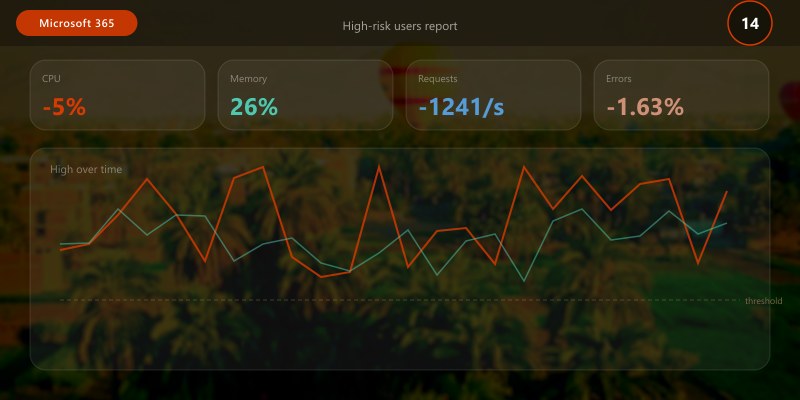
## High-risk users report
$highRiskUsers = $storageData | Where-Object { $_.RiskLevel -eq 'High' } | Sort-Object ForecastUtilization -Descending
$highRiskUsers | Format-Table User, CurrentUsageGB, ForecastUsageGB, ForecastUtilization
return $storageData```
}
Expected output:
Welcome to Microsoft Graph!

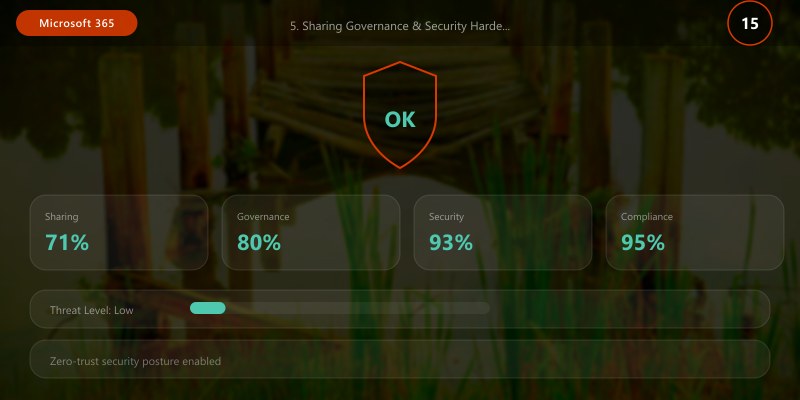
5. Sharing Governance & Security Hardening
Sharing Policy Enforcement
## Configure tenant-wide sharing policies
function Set-OneDriveSharingGovernance {
```powershell
[CmdletBinding()]
param(
[ValidateSet('Disabled', 'ExternalUserSharingOnly', 'ExternalUserAndGuestSharing', 'ExistingExternalUserSharingOnly')]
[string]$SharingCapability = 'ExternalUserSharingOnly',
[ValidateSet('None', 'SpecificPeople', 'Organization', 'AnonymousAccess')]
[string]$DefaultLinkType = 'SpecificPeople',
[int]$AnonymousLinkExpirationDays = 7,
[string[]]$AllowedDomains = @('partner.com', 'vendor.com'),
[string[]]$BlockedDomains = @('gmail.com', 'yahoo.com', 'hotmail.com'),
[switch]$RequireMFAForGuests
)
Connect-SPOService -Url "https://contoso-admin.sharepoint.com"
## Set tenant-level sharing policies
Set-SPOTenant -SharingCapability $SharingCapability `
-DefaultSharingLinkType $DefaultLinkType `
-RequireAnonymousLinksExpireInDays $AnonymousLinkExpirationDays `
-PreventExternalUsersFromResharing $true `
-ShowPeoplePickerSuggestionsForGuestUsers $false
## Domain restrictions
if ($AllowedDomains) {
Set-SPOTenant -SharingAllowedDomainList ($AllowedDomains -join ' ') -SharingDomainRestrictionMode AllowList
}
if ($BlockedDomains) {
Set-SPOTenant -SharingBlockedDomainList ($BlockedDomains -join ' ') -SharingDomainRestrictionMode BlockList
}
## Conditional Access for guests (requires Azure AD P1)
if ($RequireMFAForGuests) {
Connect-MgGraph -Scopes "Policy.Read.All", "Policy.ReadWrite.ConditionalAccess"
$conditions = @{
users = @{
includeUsers = @()
excludeUsers = @()
includeGuestsOrExternalUsers = @{
guestOrExternalUserTypes = "b2bCollaborationGuest,b2bCollaborationMember"
}
}
applications = @{
includeApplications = @("00000003-0000-0ff1-ce00-000000000000") # OneDrive/SharePoint
}
}
$grantControls = @{
operator = "AND"
builtInControls = @("mfa")
}
$caPolicy = @{
displayName = "Require MFA for Guests accessing OneDrive"
state = "enabled"
conditions = $conditions
grantControls = $grantControls
}
Invoke-MgGraphRequest -Method POST -Uri "/v1.0/identity/conditionalAccess/policies" -Body ($caPolicy | ConvertTo-Json -Depth 10)
}
Write-Output "OneDrive sharing governance configured"```
}
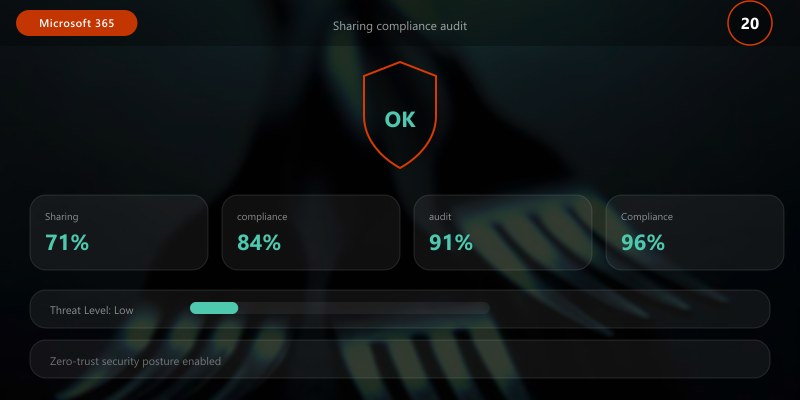
## Sharing compliance audit
function Get-OneDriveSharingAudit {
```powershell
Connect-SPOService -Url "https://contoso-admin.sharepoint.com"
Connect-MgGraph -Scopes "Files.Read.All", "User.Read.All"
$oneDriveSites = Get-SPOSite -IncludePersonalSite $true -Limit All -Filter {Template -eq 'SPSPERS#10'}
$sharingReport = @()
foreach ($site in $oneDriveSites) {
# Get external sharing for this OneDrive
$externalUsers = Get-SPOExternalUser -SiteUrl $site.Url
foreach ($extUser in $externalUsers) {
$sharingReport += [PSCustomObject]@{
Owner = $site.Owner
OneDriveUrl = $site.Url
ExternalUser = $extUser.Email
InvitedBy = $extUser.InvitedBy
WhenCreated = $extUser.WhenCreated
Domain = ($extUser.Email -split '@')[1]
ComplianceStatus = if ($AllowedDomains -contains ($extUser.Email -split '@')[1]) { 'Compliant' } else { 'Non-Compliant' }
}
}
}
## Export report
$sharingReport | Export-Csv "C:\Reports\OneDrive_ExternalSharing_$(Get-Date -Format 'yyyyMMdd').csv" -NoTypeInformation
## Alert on non-compliant sharing
$nonCompliant = $sharingReport | Where-Object { $_.ComplianceStatus -eq 'Non-Compliant' }
if ($nonCompliant) {
Write-Warning "$($nonCompliant.Count) non-compliant external sharing links found!"
}
return $sharingReport```
}
Expected output:
Welcome to Microsoft Graph!
> **Architecture Overview:** 
function Collect-OneDriveKPIs {
```powershell
param(
[string]$LogAnalyticsWorkspaceId,
[string]$LogAnalyticsKey
)
Connect-SPOService -Url "https://contoso-admin.sharepoint.com"
Connect-MgGraph -Scopes "User.Read.All", "Files.Read.All", "Reports.Read.All"
## KPI 1: Sync Client Adoption
$licensedUsers = (Get-MgUser -All -Filter "assignedLicenses/`$count ne 0" -ConsistencyLevel eventual).Count
$syncReport = Invoke-MgGraphRequest -Uri "/v1.0/reports/getOneDriveUsageAccountDetail(period='D7')"
$activeSyncUsers = ($syncReport.value | Where-Object { $_.LastActivityDate -ne $null }).Count
$syncAdoption = if ($licensedUsers -gt 0) { ($activeSyncUsers / $licensedUsers) * 100 } else { 0 }
## KPI 2: Storage Utilization
$oneDriveSites = Get-SPOSite -IncludePersonalSite $true -Limit All -Filter {Template -eq 'SPSPERS#10'}
$storageMetrics = $oneDriveSites | ForEach-Object {
$utilizationPct = if ($_.StorageQuota -gt 0) { ($_.StorageUsageCurrent / $_.StorageQuota) * 100 } else { 0 }
$utilizationPct
}
$avgUtilization = ($storageMetrics | Measure-Object -Average).Average
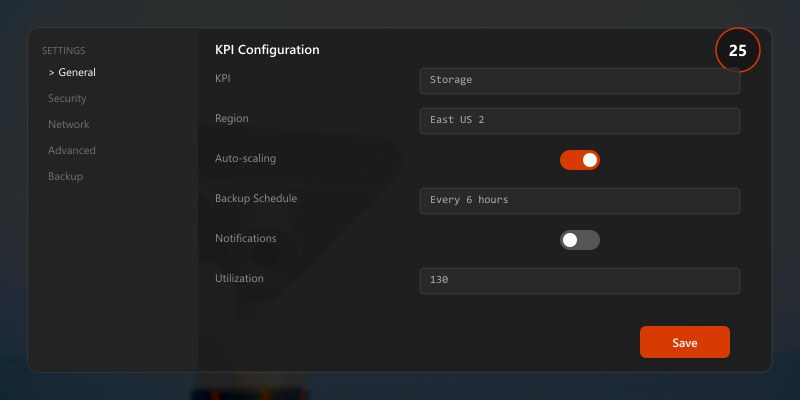
## KPI 3: Sync Error Rate
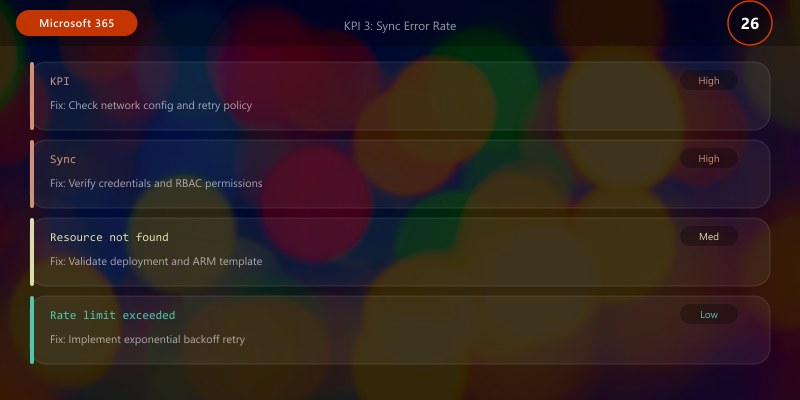
## ( - requires custom telemetry or Intune device compliance data)
$syncErrorRate = 0
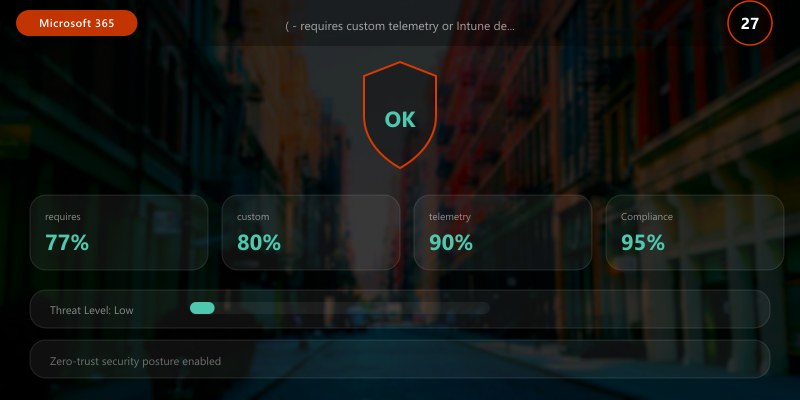
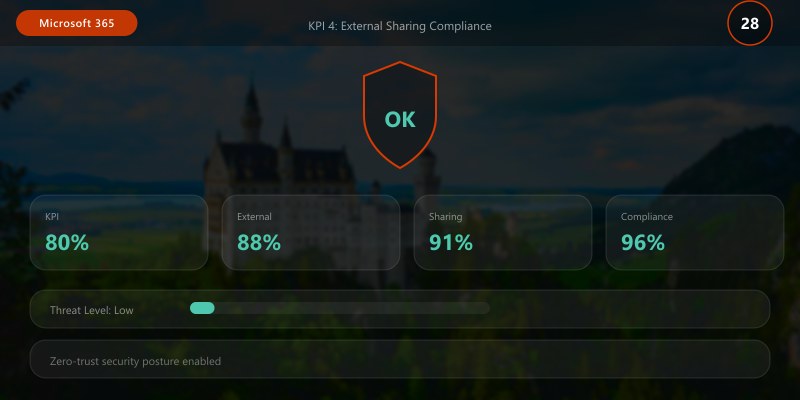
## KPI 4: External Sharing Compliance
$totalExternalShares = 0
$compliantShares = 0
foreach ($site in $oneDriveSites | Select-Object -First 100) { # Sample for performance
$extUsers = Get-SPOExternalUser -SiteUrl $site.Url
$totalExternalShares += $extUsers.Count
$compliantShares += ($extUsers | Where-Object { $AllowedDomains -contains ($_.Email -split '@')[1] }).Count
}
$sharingCompliance = if ($totalExternalShares -gt 0) { ($compliantShares / $totalExternalShares) * 100 } else { 100 }
## Construct payload
$kpiPayload = @{
Timestamp = Get-Date -Format "yyyy-MM-ddTHH:mm:ssZ"
SyncAdoptionRate = [math]::Round($syncAdoption, 2)
ActiveSyncUsers = $activeSyncUsers
TotalLicensedUsers = $licensedUsers
AvgStorageUtilization = [math]::Round($avgUtilization, 2)
SyncErrorRate = [math]::Round($syncErrorRate, 2)
ExternalSharingCompliance = [math]::Round($sharingCompliance, 2)
TotalOneDriveSites = $oneDriveSites.Count
} | ConvertTo-Json

## Send to Log Analytics (implementation similar to previous KPI scripts)
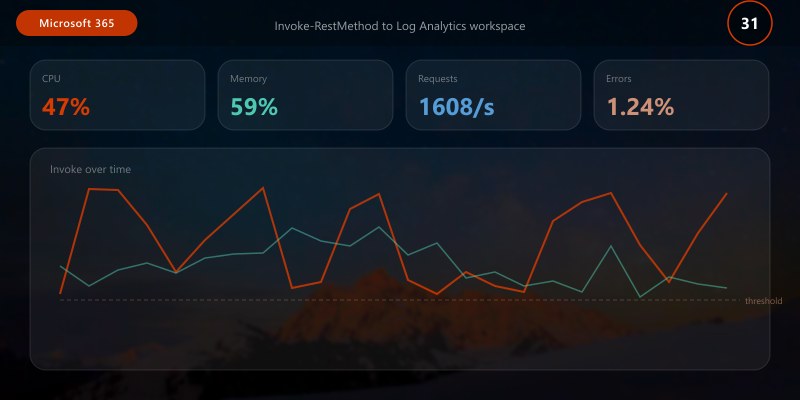
## Invoke-RestMethod to Log Analytics workspace
Write-Output "OneDrive KPIs collected and logged"```
}
Expected output:
Welcome to Microsoft Graph!

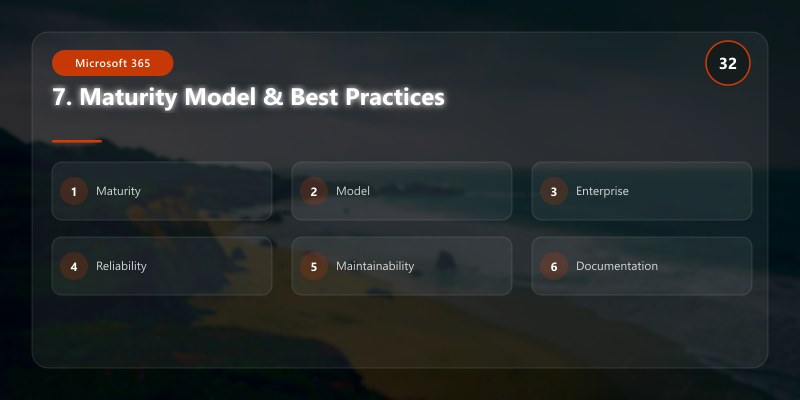
7. Maturity Model & Best Practices
Enterprise Maturity Progression
| Level | Stage | OneDrive Management | Sync Client | Sharing Governance | Automation |
|---|---|---|---|---|---|
| 1 | Ad-Hoc | Manual provisioning; default 1TB quota; no KFM | User-installed sync client; no central management | No sharing restrictions; anonymous links prevalent | No scripts |
| 2 | Scripted | PowerShell quota scripts; basic monitoring | Intune deployment; Files On-Demand encouraged | Domain blocklist configured; link expiration set | Provisioning automation |
| 3 | Governed | License-based quota tiers; KFM pilot rollout; retention policies | Enforced sync policies (FoD, block personal); KFM for pilot groups | DLP policies active; sharing reports reviewed monthly | Lifecycle workflows; compliance checks |
| 4 | Monitored | KPI dashboards; capacity forecasting; inactive account cleanup | Sync health monitoring; bandwidth optimization; KFM completion tracking | Real-time sharing audits; Conditional Access for guests | Self-service quota requests; automated remediation |
| 5 | Optimized | AI-driven quota recommendations; auto-archival; cost allocation | Predictive sync issue detection; auto-remediation of common errors | Zero Trust sharing (device compliance + MFA); auto-revoke non-compliant links | Fully automated lifecycle; chatbot support |
| 6 | Autonomous | Self-healing quota management; autonomous data tiering | ML-based sync optimization; self-healing client issues | Autonomous threat response; policy enforcement via ML | Chatbot provisioning; self-optimizing governance |
Advancement Actions:
- L1→L2: Deploy sync client via Intune; configure domain blocklist; enable Files On-Demand.
- L2→L3: Implement license-based quota tiers; pilot KFM with IT dept; configure DLP policies.
- L3→L4: Deploy KPI dashboards (Power BI + Log Analytics); automate sharing audits; monitor sync health.
- L4→L5: Build self-service portal (Power Apps); implement AI quota recommendations; Zero Trust Conditional Access.
- L5→L6: Deploy autonomous policy enforcement; ML-based sync optimization; chatbot admin interface.
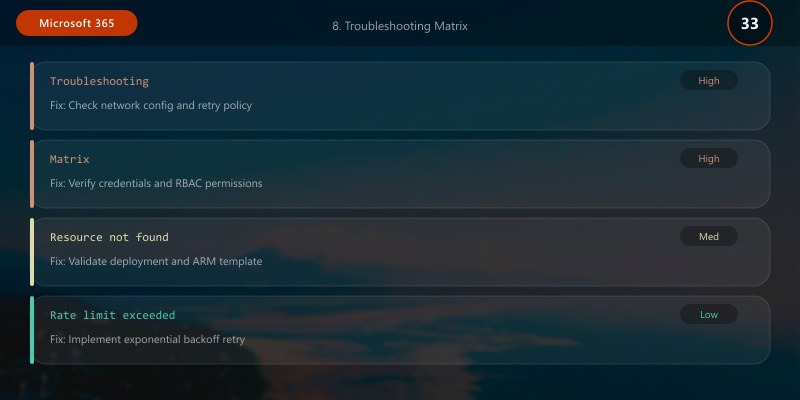
8. Troubleshooting Matrix
| Symptom | Root Cause | Diagnostic | Resolution |
|---|---|---|---|
| Sync client not starting | Old version or corrupted installation | Check sync client version; review event logs | Uninstall/reinstall via Intune; force update to latest version |
| KFM fails with "file too large" | Files >250GB in known folders | Identify large files via PowerShell | Move large files to SharePoint library; increase quota if needed |
| Sync stuck at "Processing changes" | Network issue or file conflict | Check network connectivity; review sync conflict files | Reset sync client; resolve conflicts manually; check firewall rules |
| Anonymous sharing link blocked | Tenant policy restricts anonymous links | Review SPO tenant settings | Adjust sharing capability or educate user on "Specific people" links |
| Storage quota exceeded | User assigned default 1TB; high usage | Check storage report; review file types | Increase quota based on tier; enable auto-archive for old files |
| External user cannot access file | Domain on blocklist or CA policy blocks | Check allowed domains; review CA logs | Add domain to allowlist; adjust CA policy exclusions |
| Sync errors on Mac | Permission issues or OS version incompatibility | Check macOS version; review sync app logs | Update macOS; grant Full Disk Access to OneDrive app |
Common Diagnostic Commands
## Check user OneDrive provisioning status
Connect-SPOService -Url "https://contoso-admin.sharepoint.com"
$user = "user@contoso.com"
$oneDriveUrl = "https://contoso-my.sharepoint.com/personal/$($user -replace '@', '_' -replace '\.', '_')"
Get-SPOSite -Identity $oneDriveUrl | Select Url, StorageUsageCurrent, StorageQuota, Owner

## Verify sync client policy assignment (Intune)
Connect-MgGraph -Scopes "DeviceManagementConfiguration.Read.All"
Get-MgDeviceManagementConfigurationPolicy | Where-Object { $_.Name -like '*OneDrive*' }
## Review sharing links for user
$drive = Invoke-MgGraphRequest -Uri "/v1.0/users/$user/drive"
Invoke-MgGraphRequest -Uri "/v1.0/drives/$($drive.id)/root/permissions" | Select -ExpandProperty value
## Check external sharing for OneDrive site
Get-SPOExternalUser -SiteUrl $oneDriveUrl | Format-Table Email, InvitedBy, WhenCreated
## Audit sync client errors (requires custom telemetry or Intune logs)
## Check Windows Event Viewer: Applications and Services Logs > Microsoft > OneDrive > Operational
Expected output:
Welcome to Microsoft Graph!

9. Best Practices (DO / DON'T)
DO:
- Enforce Files On-Demand via Intune (reduce local disk usage).
- Deploy KFM in phased rollouts (pilot → department → organization).
- Implement license-based quota tiers (standard/power user/executive/archive).
- Default to "Specific people" sharing links (least-privilege model).
- Set anonymous link expiration (7-30 days maximum).
- Monitor KPIs daily (adoption, sync health, storage, compliance).
- Configure DLP policies before enabling external sharing.
- Conduct quarterly sharing audits (revoke non-compliant links).
DON'T:
- Allow unrestricted anonymous sharing (compliance and security risk).
- Deploy KFM organization-wide without pilot (conflict resolution needed).
- Ignore sync client version management (old versions have bugs/security issues).
- Provision OneDrive with default quotas for all users (power users need more).
- Skip domain whitelisting for external sharing (prevents unauthorized access).
- Overlook storage capacity planning (sudden quota exhaustion disrupts users).
- Neglect Conditional Access for OneDrive sync (Zero Trust requires device compliance).
- Allow personal OneDrive sync on corporate devices (data leakage risk).
10. FAQs
Q: KFM vs manual sync—which is better for enterprise?
A: KFM (automatic Desktop/Documents/Pictures redirect) simplifies device replacement, ensures backup, and reduces user error. Recommended for all standard users. Manual selective sync appropriate for power users with large datasets needing granular control.

Q: How to handle users with >1TB of local files during KFM rollout?
A: (1) Pre-scan for large files (>15GB) and move to SharePoint libraries, (2) increase OneDrive quota to 2TB-5TB based on role, (3) use Files On-Demand to avoid full download, (4) phase rollout with IT support for high-storage users.
Q: Managing OneDrive at scale (25,000+ users)—automation priorities?
A: (1) Intune-based sync client deployment with automated updates, (2) license-based quota tiers (automated via PowerShell/Azure Automation), (3) KPI monitoring dashboard (Log Analytics + Power BI), (4) automated sharing compliance audits (monthly reports with auto-remediation), (5) self-service portal for quota requests (Power Apps with approval workflow).
Q: Ransomware protection—OneDrive capabilities?
A: (1) Version history (up to 500 versions; restore any version within 30 days), (2) ransomware detection alerts (Defender for Cloud Apps anomaly detection), (3) Files Restore (bulk restore to previous point-in-time within 30 days), (4) retention policies (prevent permanent deletion), (5) third-party backup for long-term protection beyond 30 days.
Q: External sharing for partner collaboration—best practices?
A: (1) Site-level sharing (SharePoint site vs individual OneDrive for project collaboration), (2) domain whitelisting (only approved partner domains), (3) Conditional Access (require MFA for all external users), (4) link expiration (default 90 days for partners), (5) quarterly access reviews (revoke stale guest access), (6) sensitivity labels (auto-apply based on content).
11. Key Takeaways
- Layered architecture enables Files On-Demand, KFM, and Zero Trust Conditional Access for secure sync.
- Sync client governance (Intune policies, automated deployment, health monitoring) reduces support burden.
- License-based quota tiers (standard/power user/executive/archive) optimize costs and user experience.
- Sharing governance (least-privilege links, domain whitelisting, expiration, Conditional Access) protects data.
- KFM phased rollout with pre-scanning and conflict resolution ensures smooth adoption.
- PowerShell automation (provisioning, quota management, sharing audits) enables scale.
- KPI monitoring (adoption, sync health, storage, compliance) drives proactive issue detection.
- Maturity progression from ad-hoc (L1) to autonomous (L6) operations.
12. References & Resources
- OneDrive for Business Documentation
- OneDrive Sync Client
- Known Folder Move
- OneDrive Admin Center
- SharePoint Online Limits
- Microsoft Purview
- Intune Configuration
- Graph API - OneDrive

Sync. Protect. Govern. Automate. Scale.
Architecture Decision and Tradeoffs
When designing productivity and collaboration solutions with Microsoft 365, consider these key architectural trade-offs:
| Approach | Best For | Tradeoff |
|---|---|---|
| Managed / platform service | Rapid delivery, reduced ops burden | Less customisation, potential vendor lock-in |
| Custom / self-hosted | Full control, advanced tuning | Higher operational overhead and cost |
Recommendation: Start with the managed approach for most workloads and move to custom only when specific requirements demand it.
Validation and Versioning
- Last validated: April 2026
- Validate examples against your tenant, region, and SKU constraints before production rollout.
- Keep module, CLI, and SDK versions pinned in automation pipelines and review quarterly.
Security and Governance Considerations
- Apply least-privilege access using RBAC roles and just-in-time elevation for admin tasks.
- Store secrets in managed secret stores and avoid embedding credentials in scripts or source files.
- Enable audit logging, data protection policies, and periodic access reviews for regulated workloads.
Cost and Performance Notes
- Define budgets and alerts, then monitor usage and cost trends continuously after go-live.
- Baseline performance with synthetic and real-user checks before and after major changes.
- Scale resources with measured thresholds and revisit sizing after usage pattern changes.
Official Microsoft References
- https://learn.microsoft.com/microsoft-365/
- https://learn.microsoft.com/exchange/
- https://learn.microsoft.com/microsoftteams/
Public Examples from Official Sources
- These examples are sourced from official public Microsoft documentation and sample repositories.
- Documentation examples: https://learn.microsoft.com/microsoft-365/
- Sample repositories: https://github.com/pnp
- Prefer adapting these examples to your tenant, subscriptions, and governance requirements before production use.
Key Takeaways
- Practical, actionable guidance provided